Best Roofers in Fort Collins, Colorado
17 roofing companies found. Browse ratings, reviews, and contact information.
If you own a home in Fort Collins, Colorado, your roof handles more stress than you probably realize — and the local weather patterns are the biggest reason why. Hail is the primary roofing concern in Fort Collins. With 9 or more hail days per year, local roofs absorb impacts that gradually weaken shingles even when individual storms don't cause obvious damage. A full roof replacement in Fort Collins currently runs between $8,000 and $24,000, depending on the size of your roof, the materials you choose, and the complexity of the job. Colorado has limited statewide licensing requirements for roofers, which makes it even more important to verify insurance, references, and local permits before hiring. Take a look at the 17 Fort Collins-area roofing contractors below. Each listing includes ratings and contact details so you can start getting estimates right away.


More Roofers in Your Area

Storm & Weather Risk in Fort Collins, Colorado
Understanding the specific weather threats in Fort Collins helps you make smarter decisions about roofing materials, maintenance schedules, and insurance coverage.
Hail Risk
Very High
Hurricane Risk
Low
Tornado Risk
Moderate
Wind Damage
High
Hail Risk: Colorado's Front Range is one of the most hail-prone regions in the U.S., with large and damaging hailstones common from May through September.
Hurricane Risk: Colorado's inland, high-elevation location makes hurricanes a non-factor for the state.
Tornado Risk: Colorado's eastern plains experience regular tornado activity, though most tornadoes are weaker and shorter-lived than those in Oklahoma or Texas.
Wind Damage: Colorado experiences severe downslope Chinook winds along the Front Range and powerful thunderstorm winds during summer months.
Sources: Storm risk data compiled from NOAA Storm Prediction Center, National Hurricane Center, NCEI Billion-Dollar Weather Events, and National Weather Service local forecast offices. Risk levels reflect historical frequency and severity of events in this area.
Average Roofing Costs in Fort Collins, Colorado
What you'll pay for roofing work in Fort Collins depends on several factors, from the materials you choose to the pitch and size of your roof. These numbers reflect current local market conditions.
Roof Repair
$350 – $1,800
Average repair cost range
Full Replacement
$8,000 – $24,000
~2,200 sq ft avg · $400/square
Common Materials
Colorado's Front Range hail activity drives demand for impact-resistant materials. High altitude UV exposure also accelerates roof aging, making material quality important.
Insurance Tip: Many Colorado insurers offer discounts for Class 4 impact-resistant shingles. Some areas along the Front Range have seen insurance rate increases due to frequent hail claims.
Best Season: Early fall (September–October) and late spring offer the best weather windows. Winter installs are possible but may cost more.
Colorado Roofing License & Insurance Requirements
Without a rigid state licensing framework, the quality of roofing contractors in Fort Collins varies more than it would in heavily regulated states. Here's what to check.
License
Not Required
Insurance
Not Required
Bond
Not Required
License: Colorado does not have a state roofing license requirement. However, many cities (Denver, Colorado Springs, Aurora) require local contractor licenses and permits.
Insurance: While not state-mandated, reputable Colorado roofers carry general liability and workers' compensation insurance. Denver requires proof of insurance for city licensing.
Permits: Building permits are required for roofing work in most Colorado cities. Requirements vary by municipality.
Consumer Tips
- ✓Verify local city/county contractor license if required
- ✓Ask for proof of general liability and workers' comp insurance
- ✓Check BBB rating and online reviews from Colorado homeowners
- ✓Ask about experience with hail-resistant roofing systems
- ✓Get written details on Class 4 impact-resistant shingle options
- ✓Avoid contractors who pressure you to sign immediately after a storm
Regulatory body: Colorado Department of Regulatory Agencies
🧊Hail Damage Prevention & Repair in Fort Collins, Colorado
Fort Collins, Colorado sits in one of America's most active hail corridors. With multiple hail events each year, local roofs take a beating that shortens their lifespan and leads to costly repairs or premature replacement. Understanding which materials resist hail, how to spot damage early, and how to navigate the insurance claim process can save Fort Collins homeowners thousands of dollars over the life of their roof.
Hail-Resistant Roofing Materials
- ✓Class 4 impact-resistant shingles are tested to withstand 2-inch steel ball impacts and can add 5-10 years of life in hail-heavy areas
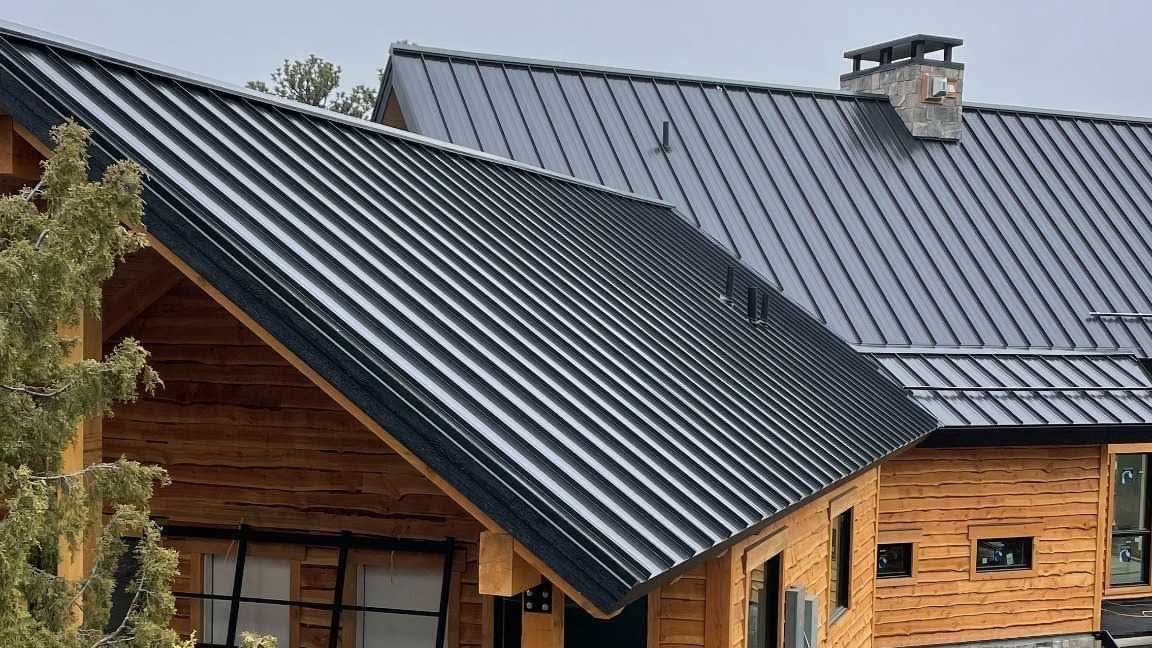
- ✓Metal roofing (standing seam or stone-coated steel) dents but rarely punctures, maintaining its waterproof integrity after hail events
- ✓Synthetic slate and composite tiles resist cracking better than natural slate or clay tile during hailstorms
- ✓Polymer-modified (SBS) asphalt shingles have a rubberized coating that absorbs impact energy without fracturing
- ✓Architectural (dimensional) shingles perform better than 3-tab shingles in hail events due to their thicker, layered construction
Post-Hail Roof Inspection Checklist
- ☐Check for circular dents or dark spots on asphalt shingles where granules have been knocked loose by hail impact
- ☐Inspect metal components (vents, flashing, gutters) for dents which confirm hail size and severity for insurance claims
- ☐Look for cracked or split shingles that may not be visible from the ground but allow water penetration
- ☐Examine soft metals like aluminum gutters, downspouts, and window screens as hail damage indicators
- ☐Check skylights and plastic roof vents for cracks or star-pattern fractures from hail strikes
- ☐Inspect the ground around your home for granule accumulation near downspout exits, which signals shingle damage
After a Hailstorm in Fort Collins: Damage Assessment Guide
After a hailstorm in Fort Collins, wait for conditions to clear before inspecting. Hail damage to roofing is often invisible from the ground because granule loss and bruising require close inspection. Look at ground-level indicators first: dented gutters, dings on AC units, and marks on painted surfaces. These confirm hail severity. Hire a professional roofer for a full roof inspection rather than climbing up yourself. Many Fort Collins roofers offer free post-storm inspections. File your insurance claim promptly since most policies have time limits for reporting hail damage (typically 1-2 years, but sooner is better).
Hail Damage Insurance Tips for Colorado Homeowners
Hail damage is covered under most standard homeowners insurance policies as part of wind/hail coverage. In high-hail areas like Fort Collins, some insurers apply a separate wind/hail deductible (often $1,000-$5,000 or 1-2% of coverage). Upgrading to Class 4 impact-resistant shingles can earn insurance discounts of 10-28% in many states. Always get an independent roofer's damage assessment in addition to your insurer's adjuster report. If your claim is denied or underpaid, you have the right to request a re-inspection or file a complaint with your state's insurance commissioner.
Data sourced from NOAA SPC, National Hurricane Center, and NWS local offices.
🔥Wildfire-Resistant Roofing in Fort Collins, Colorado
Wildfire risk is a growing concern for homeowners in Fort Collins, Colorado. Embers from wildfires can travel over a mile and ignite roofs, making your roofing material one of the most critical factors in your home's wildfire survival. With wildfire seasons growing longer and more intense across the western United States, investing in fire-resistant roofing and maintaining defensible space is essential for Fort Collins homeowners.
Fire-Resistant Roofing Materials
- ✓Class A fire-rated asphalt shingles (fiberglass-based) provide the highest fire resistance rating among asphalt products
- ✓Metal roofing is inherently non-combustible and achieves Class A rating, making it ideal for wildfire-prone areas
- ✓Concrete and clay tile roofs are naturally fireproof and have been used for centuries in fire-prone Mediterranean climates
- ✓Composite/synthetic slate offers Class A fire resistance with less weight than natural materials
- ✓Avoid wood shake or shingle roofs in wildfire zones as they are highly combustible even with fire-retardant treatments that degrade over time
Wildfire Season Roof Preparation Checklist
- ☐Remove all debris (leaves, pine needles, branches) from the roof surface, valleys, and gutters before fire season
- ☐Inspect and seal gaps between roof tiles, shingles, and the roof deck where embers could penetrate and ignite underlayment
- ☐Screen attic and soffit vents with 1/8-inch mesh to prevent ember entry into attic spaces
- ☐Clear vegetation and combustible materials within 5 feet of the roofline (Zone 0 of defensible space)
- ☐Verify that roofing material has a current Class A fire rating. Older treatments on wood roofs may have degraded
- ☐Inspect eaves and soffits for gaps or openings that allow embers to enter the structure
After a Wildfire Near Fort Collins: Roof Assessment
If a wildfire burns near Fort Collins, have your roof professionally inspected even if your home was not directly in the fire's path. Ember exposure can cause hidden damage: melted flashing, heat-warped shingles, and compromised underlayment that may not be immediately visible. Check attic spaces for signs of ember intrusion or heat damage. Look for discoloration, bubbling, or warping on roof surfaces. If your home was in an evacuation zone, document everything with photos and video before cleanup. Contact your insurance company promptly since wildfire claims often have strict documentation requirements.
Wildfire Insurance Considerations for Colorado
Wildfire damage is typically covered under standard homeowners insurance, but coverage availability and cost have become major challenges in high-risk areas. Some insurers have stopped writing new policies in fire-prone zones. If you live in a wildfire-prone area of Colorado, upgrading to Class A fire-rated roofing may help you secure or maintain coverage. The California FAIR Plan and similar state programs provide last-resort coverage where private insurers decline. Document all fire-resistant improvements to your roof as these can help with both claims and policy renewals.
Data sourced from NOAA SPC, National Hurricane Center, and NWS local offices.