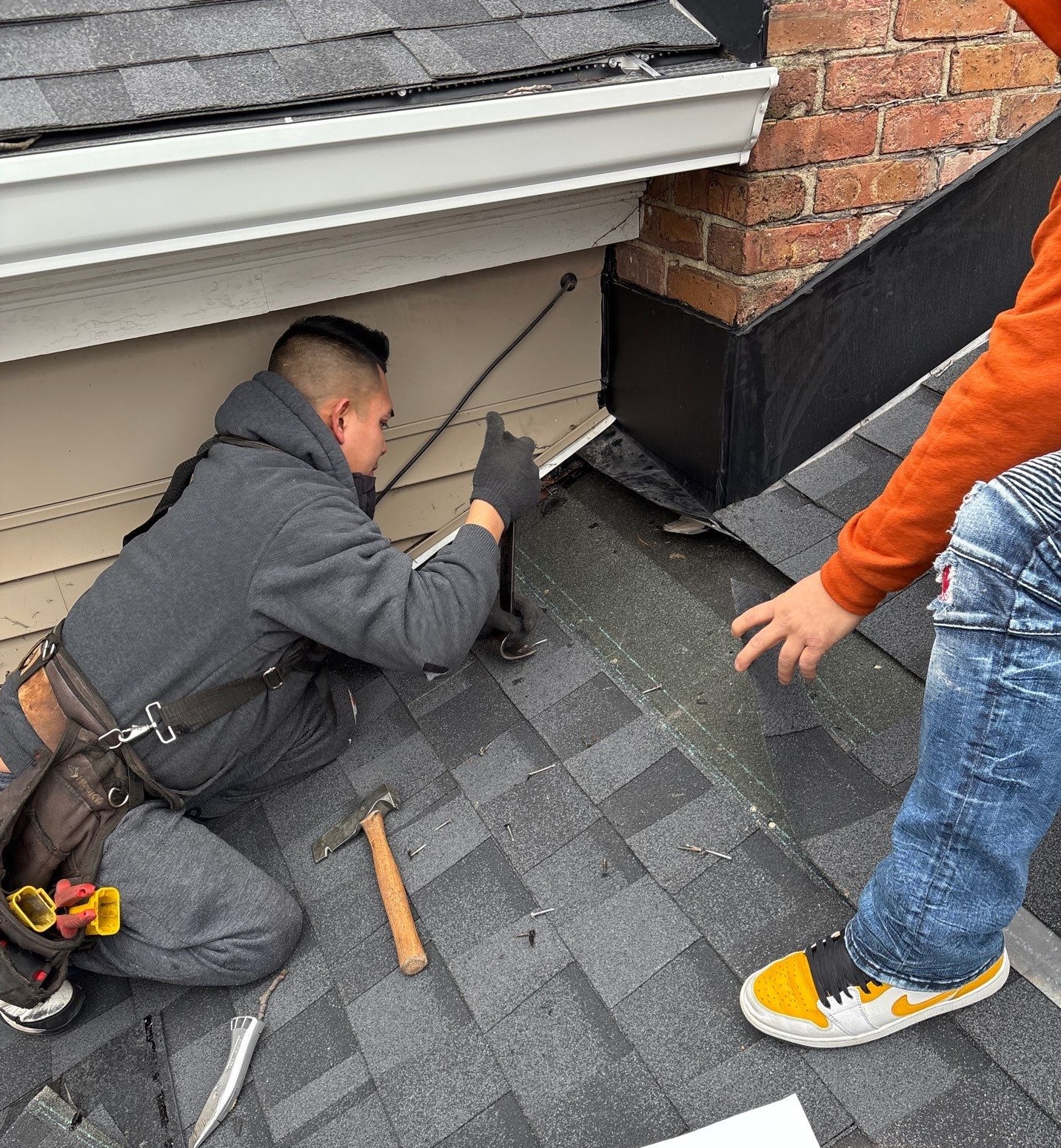
Best Roofers in Rockford, Illinois

13 roofing companies found. Browse ratings, reviews, and contact information.

Your roof is your home's first line of defense, and in Rockford, Illinois, it faces challenges that homeowners in other parts of the country might never encounter. Rockford falls within America's severe weather corridor, where hailstorms and tornadoes are a regular part of life. Roofs here take repeated hits — sometimes multiple times in a single storm season. Expect to pay anywhere from $8,000 to $24,000 for a complete roof replacement in Rockford. That range reflects differences in material grade, roof pitch, and whether you're dealing with storm damage or planned replacement. Make sure any roofer you hire in Rockford carries an active State Roofing License (IDFPR) — it's a legal requirement in Illinois and your best protection against substandard work. Browse the 13 roofing companies listed for Rockford to compare ratings, read reviews, and find the right fit for your project.

Sort by:
TOP RATED
Sombreros Roofing

Sombreros Roofing

Rockford, IL 61107

5 (82 reviews)

More Roofers in Your Area

I

Ideal Property Solutions

Rockford, IL 61108

4.9 (280 reviews)
Huskie Exteriors Inc

Huskie Exteriors Inc

Rockford, IL 61102

4.9 (130 reviews)
T

Top A1 Contracting

Rockford, IL 61108

4.9 (69 reviews)
Honeybee Roofing

Honeybee Roofing

Rockford, IL 61108

4.9 (68 reviews)
B

Bufalo Contracting

Rockford, IL 61109

4.8 (420 reviews)
W

Warner Roofing & Restoration

Rockford, IL 61102

4.8 (179 reviews)
E

Everest Roofing

Rockford, IL 61108

4.8 (67 reviews)
K

Ken-Z Roofing Inc

Rockford, IL 61109

4.5 (44 reviews)

Storm & Weather Risk in Rockford, Illinois

Understanding the specific weather threats in Rockford helps you make smarter decisions about roofing materials, maintenance schedules, and insurance coverage.

Hail Risk

High

Hurricane Risk

Low

Tornado Risk

High

Wind Damage

High

Hail Risk: Rockford in northern Illinois sees frequent hail from spring and summer thunderstorms, with storms often intensifying as they move across the open prairie terrain.

Hurricane Risk: Illinois is far inland and does not experience hurricanes, though remnants of tropical systems occasionally bring heavy rain to the state.

Tornado Risk: Illinois averages about 50 tornadoes per year, with Central and Southern Illinois sitting in an active tornado corridor. The state has experienced some of the deadliest tornadoes in U.S. history.

Wind Damage: Severe thunderstorms, derechos, and tornadoes produce frequent damaging winds across Illinois, with straight-line winds often exceeding 70 mph during major events.

Storm Season: March – SeptemberAvg. Annual Storms: 50Hail Days/Year: ~7

Sources: Storm risk data compiled from NOAA Storm Prediction Center, National Hurricane Center, NCEI Billion-Dollar Weather Events, and National Weather Service local forecast offices. Risk levels reflect historical frequency and severity of events in this area.

Average Roofing Costs in Rockford, Illinois

Roofing costs in Rockford are shaped by local labor rates, material availability, and the types of weather damage that are most common in this area. Here's what homeowners are currently paying.

Roof Repair

$350$1,800

Average repair cost range

Full Replacement

$8,000$24,000

~2,100 sq ft avg · $400/square

Common Materials

Asphalt ShinglesArchitectural ShinglesMetal RoofingImpact-Resistant ShinglesFlat/TPOEPDM

Illinois roofing costs vary widely between the expensive Chicago metro and more affordable downstate areas. High labor costs in the northern part of the state, combined with frequent hailstorms and harsh winters, drive demand for durable roofing systems. Flat roof systems are common in urban Chicago.

Insurance Tip: Illinois homeowners insurance is moderately priced. Hail and wind damage are covered under standard policies. The Chicago area sees occasional severe hail events that create large claim surges.

Best Season: Late spring through early fall (May–October) is the primary season. Fall (September–October) often offers the best combination of weather and contractor availability.

Illinois Roofing License & Insurance Requirements

When hiring a roofer in Rockford, the license check is non-negotiable. Illinois requires all roofing contractors to carry specific credentials — here's what to look for.

License

Required

Insurance

Required

Bond

Required

License: Illinois requires a state roofing license issued by the Illinois Department of Financial and Professional Regulation (IDFPR). Two types: Limited (residential properties of 8 units or less) and Unlimited (residential, commercial, and industrial). A qualifying party must pass a state exam. Note: The Roofing Industry Licensing Act is set to be repealed January 1, 2026.

Insurance: Licensed Illinois roofers must carry general liability insurance (minimum $500,000) and property damage insurance (minimum $250,000). Workers' compensation insurance is required for all Illinois employers with employees.

Bond: A $10,000 surety bond is required for Illinois roofing licensure.

Permits: Building permits are required for roofing work in Illinois municipalities. Chicago has particularly stringent permit requirements — contractors must be licensed with the city before pulling permits.

Consumer Tips

  • In Chicago, verify the contractor holds a valid City of Chicago roofing license
  • Ask for proof of general liability and workers' compensation insurance
  • Check for local licensing requirements in your specific city or village
  • Be cautious of storm chasers after severe weather — demand a local business address
  • Get at least 3 written estimates with material specifications
  • Ensure a written contract includes scope, materials, timeline, warranty, and payment terms

Regulatory body: Illinois Department of Financial and Professional Regulation

🌪️Tornado-Resistant Roofing in Rockford, Illinois

Located in a high tornado-risk area, Rockford, Illinois homeowners need roofing systems built to survive extreme wind events. Tornadoes can produce winds exceeding 200 mph in the most severe cases, but even EF1-EF2 tornadoes (86-135 mph) commonly strip conventional roofing. While no roof can withstand a direct hit from an EF4-EF5 tornado, the right materials and installation practices dramatically improve survivability in the far more common moderate tornado events.

Best Roofing Materials for Tornado-Prone Areas

  • Class 4 impact-resistant shingles (SBS-modified asphalt) flex rather than crack under impact and resist wind speeds up to 130 mph
  • Standing-seam metal roofing with concealed fasteners resists uplift and performs well in straight-line winds and moderate tornado events
  • Stone-coated steel roofing tiles combine the aesthetics of traditional tile with the wind resistance of metal (rated to 120+ mph)
  • Six-nail installation pattern (instead of standard four) significantly increases shingle wind resistance in tornado-prone regions
  • Peel-and-stick (self-adhering) underlayment creates a sealed secondary barrier that prevents water intrusion if shingles are torn away

Tornado-Season Roof Readiness Checklist

  • Check ridge caps and hip shingles which are the first to fail in high winds due to their exposed position
  • Inspect roof-to-wall connections and ensure hurricane straps or clips are installed (critical for tornado resistance)
  • Look for nail pops or loose fasteners that weaken the overall roof system before high winds arrive
  • Verify that roof sheathing (decking) is fastened with ring-shank nails or screws rather than smooth nails for superior hold
  • Ensure drip edge is properly installed along all roof edges to prevent wind-driven rain from entering behind fascia boards
  • Inspect pipe boots and vent collars for cracking or separation that allow water entry after severe storms

After a Tornado: Steps for Rockford Homeowners

If a tornado passes through or near Rockford, do not enter your home until you confirm it is structurally safe. Inspect from a distance for obvious roof damage: missing sections, collapsed areas, or debris embedded in the roof surface. Watch for downed power lines near the house. Once safe, photograph all damage from multiple angles including close-ups. Apply tarps to any exposed areas immediately. File your insurance claim as soon as possible since adjusters are overwhelmed after tornado events and delays can mean waiting weeks for an inspection. Avoid signing contracts with unfamiliar roofers who appear immediately after a storm.

Tornado Damage Insurance Tips for Illinois

Tornado damage is typically covered under the wind/hail portion of standard homeowners insurance. Unlike hurricanes, tornado damage usually falls under your regular deductible (not a percentage-based wind deductible). Document your roof's pre-storm condition with dated photos each year. After a tornado event, your insurer may require a full roof inspection even if damage appears minor, since hidden structural damage is common. Some insurers offer fortified roof discounts for homes meeting IBHS FORTIFIED standards, which can save 15-25% on premiums in tornado-prone regions.

Data sourced from NOAA SPC, National Hurricane Center, and NWS local offices.

Nearby Cities in Illinois