Best Roofers in Raleigh, North Carolina

28 roofing companies found. Browse ratings, reviews, and contact information.

When it comes to roofing in Raleigh, North Carolina, the stakes are higher than most people think. The weather here doesn't give roofs an easy time. The wind patterns in the Raleigh area mean that roofs need to be installed with high-wind fastening methods. Standard installation practices from calmer regions simply don't hold up here. A full roof replacement in Raleigh currently runs between $7,500 and $22,000, depending on the size of your roof, the materials you choose, and the complexity of the job. State law requires roofers in North Carolina to maintain a General Contractor License with Roofing (S) Classification. Don't skip this check, especially after a storm when unlicensed contractors flood the area. Take a look at the 28 Raleigh-area roofing contractors below. Each listing includes ratings and contact details so you can start getting estimates right away.

Sort by:
TOP RATED
A

A&M Premier Roofing & Construction

Raleigh, NC 27616

5 (797 reviews)
R

Roof Medic

Raleigh, NC 27617

5 (223 reviews)
R

Roof Dawgs

Raleigh, NC 27603

5 (212 reviews)

More Roofers in Your Area

P

Pro Performance Roofing LLC

Raleigh, NC 27616

5 (169 reviews)
Citadel Contracting

Citadel Contracting

Raleigh, NC 27613

5 (93 reviews)
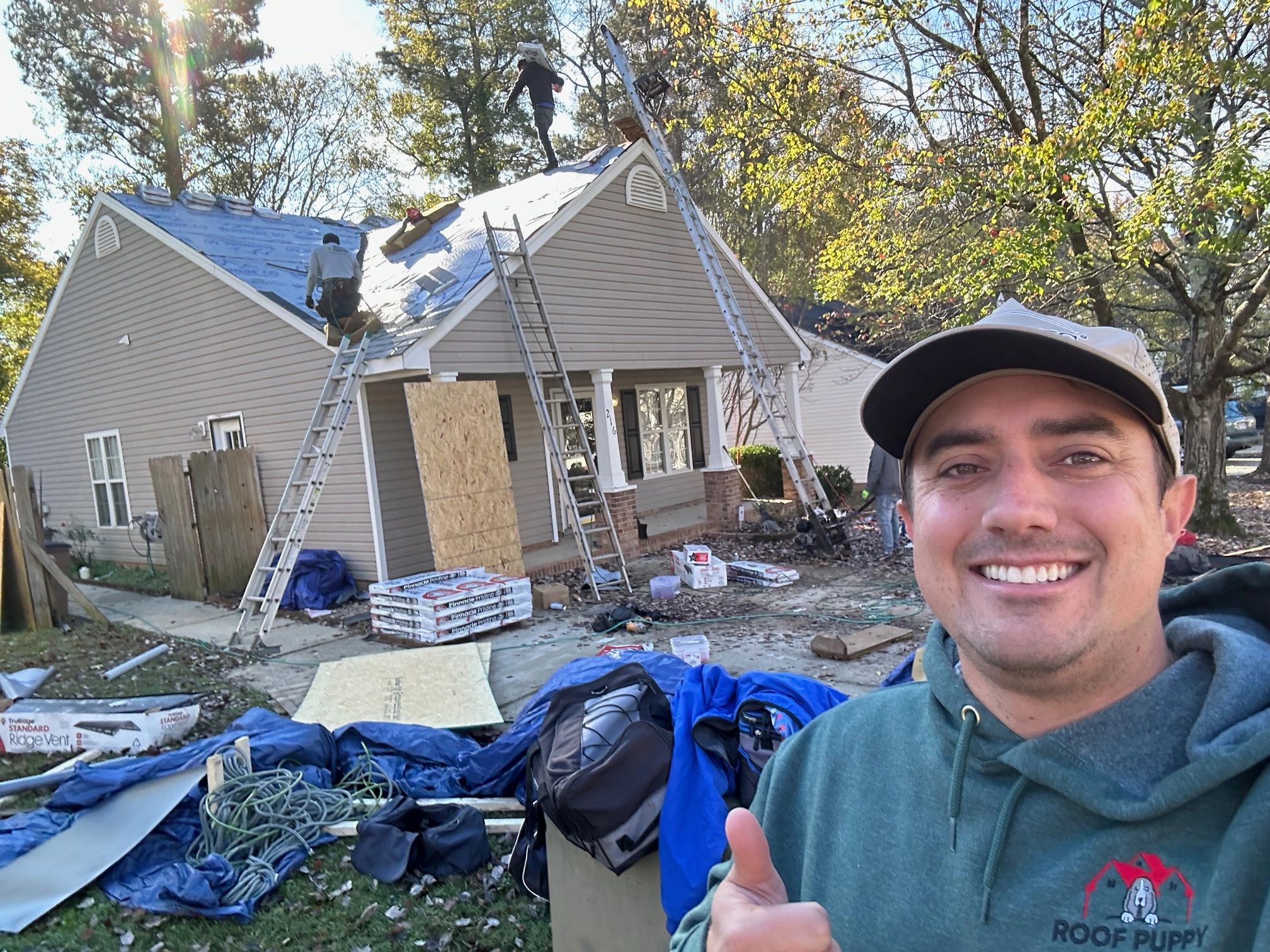
Roof Puppy LLC

Roof Puppy LLC

Raleigh, NC 27603

5 (39 reviews)
The Shingle Master

The Shingle Master

Raleigh, NC 27603

4.9 (550 reviews)
K&D Roofing

K&D Roofing

Raleigh, NC 27615

4.9 (305 reviews)

Storm & Weather Risk in Raleigh, North Carolina

Knowing your local storm risk isn't just academic — it directly affects which roofing materials will hold up, how often you should schedule inspections, and what your insurance should cover.

Hail Risk

Moderate

Hurricane Risk

Low

Tornado Risk

Moderate

Wind Damage

High

Hail Risk: North Carolina sees moderate hail activity, particularly in the Piedmont region during spring severe weather season.

Hurricane Risk: Raleigh is approximately 150 miles inland from the coast. Tropical storms can bring heavy rain and moderate winds, but hurricane-force impacts are uncommon at this distance. [NWS Raleigh]

Tornado Risk: The Raleigh-Durham area has experienced several significant tornado events, with peak risk during spring and hurricane season.

Wind Damage: Nor'easters, hurricanes, and severe thunderstorms bring damaging winds that can compromise roofing across the state.

Storm Season: April – OctoberAvg. Annual Storms: 50Hail Days/Year: ~4

Sources: Storm risk data compiled from NOAA Storm Prediction Center, National Hurricane Center, NCEI Billion-Dollar Weather Events, and National Weather Service local forecast offices. Risk levels reflect historical frequency and severity of events in this area.

Average Roofing Costs in Raleigh, North Carolina

What you'll pay for roofing work in Raleigh depends on several factors, from the materials you choose to the pitch and size of your roof. These numbers reflect current local market conditions.

Roof Repair

$350$1,600

Average repair cost range

Full Replacement

$7,500$22,000

~2,100 sq ft avg · $380/square

Common Materials

Asphalt ShinglesMetal RoofingArchitectural ShinglesSynthetic Slate

North Carolina roofing costs vary significantly between the coast (higher, due to wind-rated requirements) and the mountains (where steep pitches add complexity).

Insurance Tip: Coastal NC homeowners may need separate windstorm coverage through the NC Insurance Underwriting Association (Beach Plan).

Best Season: Fall (September–November) offers ideal weather conditions and moderate pricing. Avoid coastal work during hurricane season (June–November).

North Carolina Roofing License & Insurance Requirements

Licensing requirements in North Carolina exist to protect homeowners. Here's what the state requires from roofing contractors working in Raleigh and what you should verify.

License

Required

Insurance

Required

Bond

Not Required

License: North Carolina requires a general contractor license with a Specialty S (Roofing) classification from the NC Licensing Board for General Contractors (NCLBGC) for any roofing project valued at $40,000 or higher. Three tiers: Limited (up to $500K), Intermediate (up to $1M), and Unlimited.

Insurance: Licensed NC contractors must maintain general liability insurance. Workers' compensation is required for companies with 3 or more employees.

Permits: Building permits are required for most roofing work in North Carolina. Your contractor should handle permit applications and schedule required inspections.

Consumer Tips

  • Verify the contractor's license at the NC Licensing Board website
  • Confirm insurance coverage, especially for projects over $30,000
  • Ask about experience with coastal wind-rated installations if applicable
  • Get at least 3 written estimates for comparison
  • Check for complaints with the NC Attorney General's office
  • Ensure the contract includes a clear timeline and payment schedule

Regulatory body: North Carolina Licensing Board for General Contractors

💨Wind Damage Protection for Roofs in Raleigh, North Carolina

Severe thunderstorms, derechos, and straight-line winds pose a significant threat to roofs in Raleigh, North Carolina. While less dramatic than tornadoes, sustained high winds and powerful gusts from severe storms cause billions in roof damage annually across the United States. Understanding wind patterns in your area, choosing appropriate materials, and maintaining your roof properly can significantly reduce your risk of costly wind damage.

Wind-Resistant Roofing Materials

  • High-wind rated asphalt shingles (ASTM D7158 Class H) resist winds up to 150 mph with proper installation and enhanced nailing patterns
  • Standing-seam metal roofing with mechanical seaming provides excellent wind uplift resistance and does not rely on exposed fasteners
  • Architectural (laminated) shingles outperform 3-tab shingles in wind events due to their heavier weight and bonded layers
  • Roofing adhesive (hand-sealing) on all starter courses and edges provides additional wind resistance in high-exposure areas
  • Closed-ridge vent systems resist wind-driven rain infiltration better than standard ridge vents during severe storms

Wind Damage Prevention Checklist

  • Inspect all roof edges, ridges, and hips where wind uplift forces are greatest and shingles fail first
  • Check that drip edge flashing is firmly attached along all eaves and rakes to prevent wind from getting under shingles
  • Verify starter strip shingles are installed along all eaves and rakes with sealant strips properly positioned
  • Look for lifted, curled, or creased shingles that indicate previous wind damage and vulnerability to future storms
  • Inspect roof-to-wall connections in areas where different roof planes meet, as these are common wind damage points
  • Ensure all roof penetrations (vents, pipes, satellite mounts) are properly sealed and secured against wind vibration

After a Windstorm in Raleigh: What to Check

After severe winds pass through Raleigh, walk around your home and look up at the roofline for obvious damage: missing shingles, displaced ridge caps, or debris impacts. Check for shingles or roofing material on the ground. Inspect the attic for daylight showing through the roof deck or signs of water intrusion. Wind damage often appears as lifted or creased shingle tabs that may not be missing but are no longer sealed and will leak. If you suspect damage, have a professional inspection done before the next rain event. Take photographs of all damage including wide shots that show the extent and close-ups of individual damage points.

Wind Damage Insurance Tips for North Carolina Homeowners

Wind damage from severe thunderstorms and straight-line winds is covered under standard homeowners insurance policies. Unlike hurricane damage, there is typically no separate wind deductible for non-tropical wind events. Document pre-storm roof condition with annual photos and maintenance records. After a wind event, file your claim promptly and get multiple repair estimates. If your insurer's estimate seems low, request an independent adjuster or public adjuster review. Upgrading to higher wind-rated materials during replacement can earn you premium discounts with many carriers.

Data sourced from NOAA SPC, National Hurricane Center, and NWS local offices.

Nearby Cities in North Carolina