Best Roofers in Las Cruces, New Mexico

17 roofing companies found. Browse ratings, reviews, and contact information.

When it comes to roofing in Las Cruces, New Mexico, the stakes are higher than most people think. The weather here doesn't give roofs an easy time. High winds from severe thunderstorms and seasonal weather patterns are the main roofing threat in Las Cruces. Gusts that exceed 60 mph can lift shingle edges and create entry points for water. In the Las Cruces market, roof replacements typically fall between $6,000 and $18,000. Smaller repairs start around $250 and can reach $1,300 depending on the scope. Make sure any roofer you hire in Las Cruces carries an active State Contractor License (GS-21 Roofing) — it's a legal requirement in New Mexico and your best protection against substandard work. Take a look at the 17 Las Cruces-area roofing contractors below. Each listing includes ratings and contact details so you can start getting estimates right away.

Sort by:

More Roofers in Your Area

Storm & Weather Risk in Las Cruces, New Mexico

Knowing your local storm risk isn't just academic — it directly affects which roofing materials will hold up, how often you should schedule inspections, and what your insurance should cover.

Hail Risk

Low

Hurricane Risk

Low

Tornado Risk

Moderate

Wind Damage

High

Hail Risk: New Mexico experiences moderate hail from monsoon thunderstorms and spring severe weather, with the eastern plains and higher elevations seeing the most activity.

Hurricane Risk: New Mexico's far-inland, high-elevation location makes hurricanes a non-factor, though rare Pacific tropical remnants bring moisture during monsoon season.

Tornado Risk: New Mexico averages about 10 tornadoes per year, primarily on the eastern plains where supercell thunderstorms develop during late spring and early summer.

Wind Damage: Las Cruces in southern New Mexico faces extreme spring wind events with gusts exceeding 70 mph, plus monsoon thunderstorm winds during summer.

Storm Season: June – SeptemberAvg. Annual Storms: 35Hail Days/Year: ~3

Sources: Storm risk data compiled from NOAA Storm Prediction Center, National Hurricane Center, NCEI Billion-Dollar Weather Events, and National Weather Service local forecast offices. Risk levels reflect historical frequency and severity of events in this area.

Average Roofing Costs in Las Cruces, New Mexico

Roofing prices in Las Cruces reflect a combination of regional labor costs, the materials that perform best in the local climate, and demand driven by seasonal storm activity.

Roof Repair

$250$1,300

Average repair cost range

Full Replacement

$6,000$18,000

~2,000 sq ft avg · $310/square

Common Materials

Asphalt ShinglesMetal RoofingClay TileFlat/TPOFoam RoofingConcrete Tile

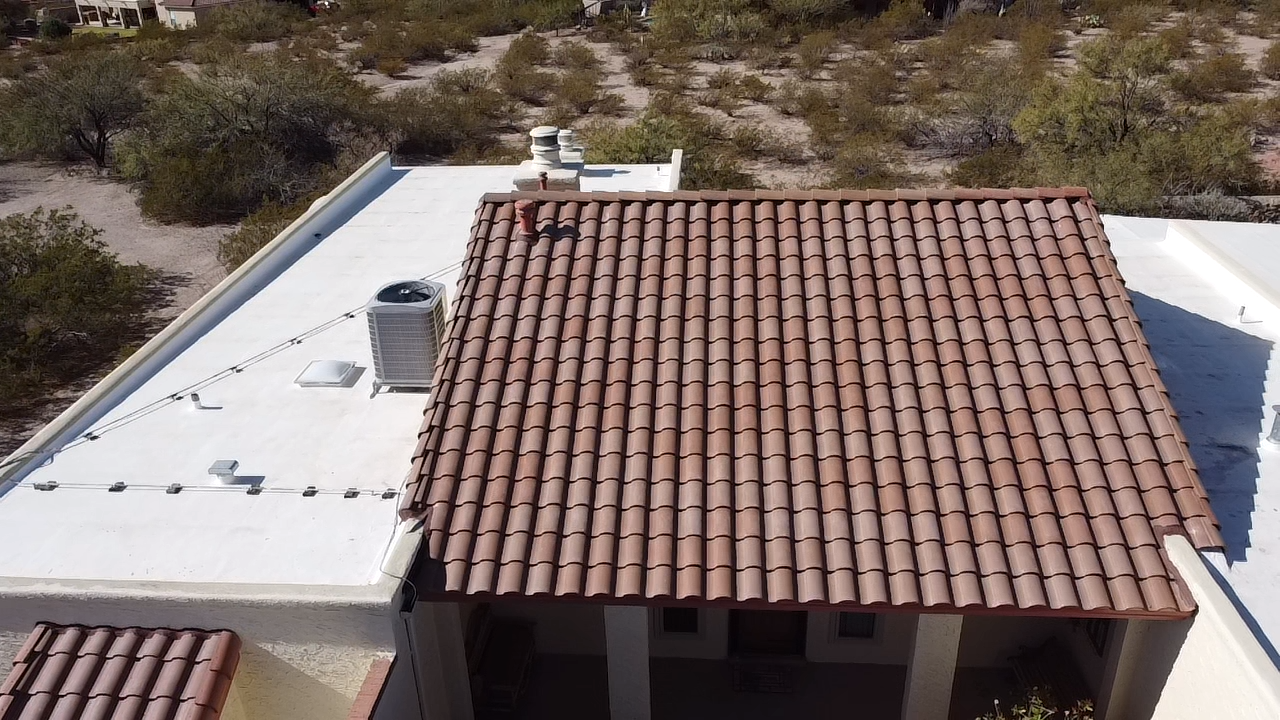
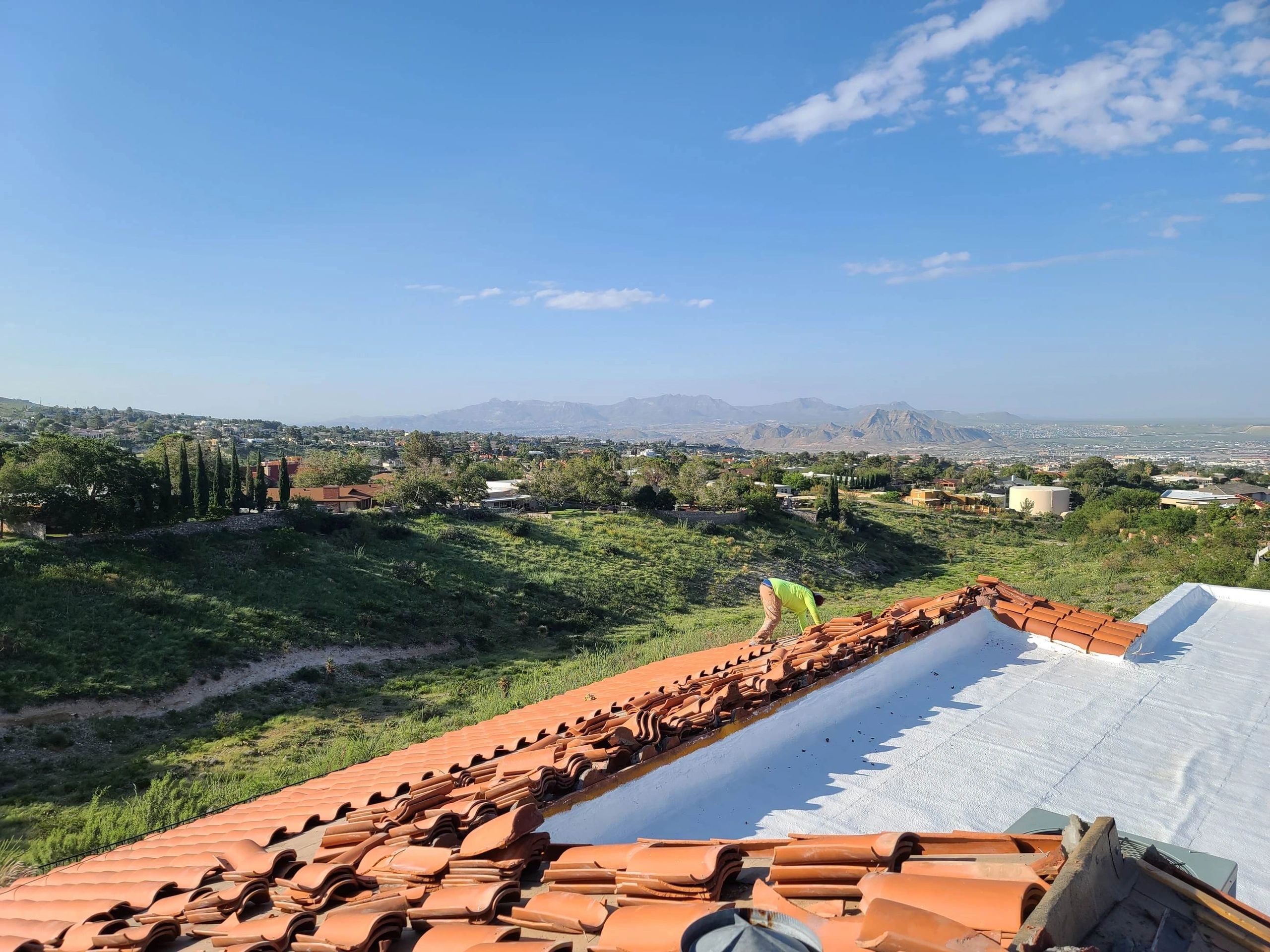
New Mexico roofing costs are moderate-low due to the lower cost of living. Flat roof systems (common in adobe and Pueblo-style homes) require specialized maintenance and waterproofing. Intense UV exposure at high altitude accelerates material degradation, making UV-resistant materials essential.

Insurance Tip: New Mexico homeowners insurance is affordable. Standard policies cover most weather damage. Hail is a concern in the eastern plains, while wildfire risk affects mountain communities.

Best Season: Year-round work is possible in much of New Mexico. Fall through spring (September–May) is ideal, avoiding the summer monsoon season when afternoon thunderstorms are frequent.

New Mexico Roofing License & Insurance Requirements

When hiring a roofer in Las Cruces, the license check is non-negotiable. New Mexico requires all roofing contractors to carry specific credentials — here's what to look for.

License

Required

Insurance

Required

Bond

Required

License: New Mexico requires roofing contractors to hold a state license with GS-21 (Roofing) classification, issued by the Construction Industries Division (CID) of the Regulation and Licensing Department. Requires 2 years of foreman-level experience within the last 10 years and passing the GS-21 Roofing exam and NM Business & Law exam.

Insurance: New Mexico-licensed contractors must carry general liability insurance. Workers' compensation insurance is required for all employers with 3 or more employees.

Bond: New Mexico requires a surety bond as part of the contractor licensing process. Bond amounts vary based on the contractor's license classification and monetary limit.

Permits: Building permits are required for roofing work in New Mexico. Local building departments and the CID enforce building codes and issue permits depending on the jurisdiction.

Consumer Tips

  • Verify the contractor's CID license number at the New Mexico RLD website
  • Confirm the license classification covers roofing work (GB-2 or GB-98)
  • Ask for proof of general liability insurance and workers' compensation coverage
  • Get at least 3 written estimates with detailed material specifications
  • Ask about experience with flat roof systems and desert-climate roofing materials
  • Ensure a written contract includes scope, materials, timeline, warranty, and payment schedule

Regulatory body: New Mexico Regulation and Licensing Department — Construction Industries Division

🔥Wildfire-Resistant Roofing in Las Cruces, New Mexico

Wildfire risk is a growing concern for homeowners in Las Cruces, New Mexico. Embers from wildfires can travel over a mile and ignite roofs, making your roofing material one of the most critical factors in your home's wildfire survival. With wildfire seasons growing longer and more intense across the western United States, investing in fire-resistant roofing and maintaining defensible space is essential for Las Cruces homeowners.

Fire-Resistant Roofing Materials

  • Class A fire-rated asphalt shingles (fiberglass-based) provide the highest fire resistance rating among asphalt products
  • Metal roofing is inherently non-combustible and achieves Class A rating, making it ideal for wildfire-prone areas
  • Concrete and clay tile roofs are naturally fireproof and have been used for centuries in fire-prone Mediterranean climates
  • Composite/synthetic slate offers Class A fire resistance with less weight than natural materials
  • Avoid wood shake or shingle roofs in wildfire zones as they are highly combustible even with fire-retardant treatments that degrade over time

Wildfire Season Roof Preparation Checklist

  • Remove all debris (leaves, pine needles, branches) from the roof surface, valleys, and gutters before fire season
  • Inspect and seal gaps between roof tiles, shingles, and the roof deck where embers could penetrate and ignite underlayment
  • Screen attic and soffit vents with 1/8-inch mesh to prevent ember entry into attic spaces
  • Clear vegetation and combustible materials within 5 feet of the roofline (Zone 0 of defensible space)
  • Verify that roofing material has a current Class A fire rating. Older treatments on wood roofs may have degraded
  • Inspect eaves and soffits for gaps or openings that allow embers to enter the structure

After a Wildfire Near Las Cruces: Roof Assessment

If a wildfire burns near Las Cruces, have your roof professionally inspected even if your home was not directly in the fire's path. Ember exposure can cause hidden damage: melted flashing, heat-warped shingles, and compromised underlayment that may not be immediately visible. Check attic spaces for signs of ember intrusion or heat damage. Look for discoloration, bubbling, or warping on roof surfaces. If your home was in an evacuation zone, document everything with photos and video before cleanup. Contact your insurance company promptly since wildfire claims often have strict documentation requirements.

Wildfire Insurance Considerations for New Mexico

Wildfire damage is typically covered under standard homeowners insurance, but coverage availability and cost have become major challenges in high-risk areas. Some insurers have stopped writing new policies in fire-prone zones. If you live in a wildfire-prone area of New Mexico, upgrading to Class A fire-rated roofing may help you secure or maintain coverage. The California FAIR Plan and similar state programs provide last-resort coverage where private insurers decline. Document all fire-resistant improvements to your roof as these can help with both claims and policy renewals.

Data sourced from NOAA SPC, National Hurricane Center, and NWS local offices.

Nearby Cities in New Mexico