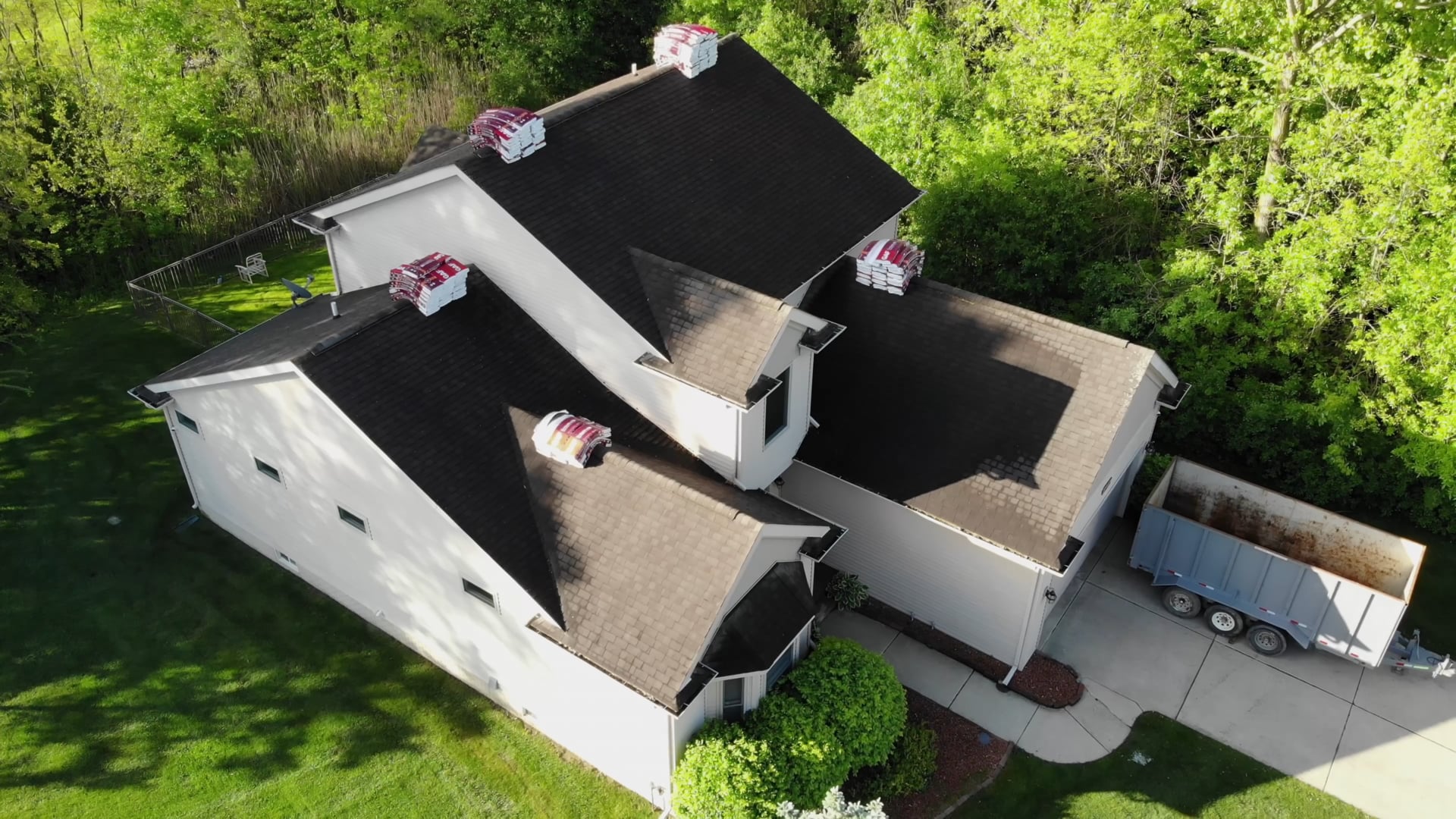
Best Roofers in Detroit, Michigan

11 roofing companies found. Browse ratings, reviews, and contact information.

Your roof is your home's first line of defense, and in Detroit, Michigan, it faces challenges that homeowners in other parts of the country might never encounter. Hail is the primary roofing concern in Detroit. With 6 or more hail days per year, local roofs absorb impacts that gradually weaken shingles even when individual storms don't cause obvious damage. Expect to pay anywhere from $8,500 to $26,000 for a complete roof replacement in Detroit. That range reflects differences in material grade, roof pitch, and whether you're dealing with storm damage or planned replacement. State law requires roofers in Michigan to maintain a Residential Builder License. Don't skip this check, especially after a storm when unlicensed contractors flood the area. Browse the 11 roofing companies listed for Detroit to compare ratings, read reviews, and find the right fit for your project.

Sort by:

More Roofers in Your Area

P D Roofing

P D Roofing

Detroit, MI 48212

4.8 (95 reviews)
T

T&M Roofing

Detroit, MI 48227

4.5 (40 reviews)
P

Pete's Roofing

Detroit, MI 48209

4.4 (7 reviews)
Detroit Roofing Service

Detroit Roofing Service

Detroit, MI 48221

4.2 (71 reviews)
D

Detroit Roofing Repair Service

Detroit, MI 48201

3.5 (2 reviews)

Storm & Weather Risk in Detroit, Michigan

Understanding the specific weather threats in Detroit helps you make smarter decisions about roofing materials, maintenance schedules, and insurance coverage.

Hail Risk

High

Hurricane Risk

Low

Tornado Risk

Moderate

Wind Damage

High

Hail Risk: Detroit experiences frequent spring and summer hail from severe thunderstorms, with hail damage being one of the most common roofing insurance claims in the metro.

Hurricane Risk: Michigan does not experience hurricanes, though rare remnants of tropical systems can bring heavy rain and gusty winds to the state.

Tornado Risk: Michigan averages about 20 tornadoes per year, with activity concentrated in the southwestern Lower Peninsula during spring and summer months.

Wind Damage: Detroit's proximity to Lake Erie and Lake St. Clair exposes it to powerful lake-effect winds and severe thunderstorm gusts year-round.

Storm Season: April – SeptemberAvg. Annual Storms: 40Hail Days/Year: ~6

Sources: Storm risk data compiled from NOAA Storm Prediction Center, National Hurricane Center, NCEI Billion-Dollar Weather Events, and National Weather Service local forecast offices. Risk levels reflect historical frequency and severity of events in this area.

Average Roofing Costs in Detroit, Michigan

These cost ranges are specific to the Detroit, Michigan market and account for local pricing, common materials, and the types of work most frequently needed in this area.

Roof Repair

$375$1,900

Average repair cost range

Full Replacement

$8,500$26,000

~2,000 sq ft avg · $420/square

Common Materials

Asphalt ShinglesArchitectural ShinglesMetal RoofingStanding Seam MetalCedar Shake

Metro Detroit's labor market and larger suburban homes drive prices above the state average. The region's aging housing stock often needs additional structural work during replacements.

Insurance Tip: Michigan homeowners insurance is moderately priced. Wind and hail damage are covered under standard policies. Proper ice dam prevention is key to avoiding costly winter claims.

Best Season: Late spring through early fall (May–October) offers the best working conditions. Late summer and early fall are often ideal for scheduling and pricing.

Michigan Roofing License & Insurance Requirements

Licensing requirements in Michigan exist to protect homeowners. Here's what the state requires from roofing contractors working in Detroit and what you should verify.

License

Required

Insurance

Required

Bond

Not Required

License: Michigan requires a Residential Builder license for contractors performing roofing work on residential structures. The license is issued by the Michigan Department of Licensing and Regulatory Affairs (LARA). A Maintenance and Alteration Contractor license is also available for smaller projects.

Insurance: Michigan-licensed residential builders must carry general liability insurance. Workers' compensation insurance is required for employers with 3 or more employees (1 or more for certain trades).

Permits: Building permits are required for roofing work in Michigan. Local building departments issue permits, and inspections are typically required upon completion.

Consumer Tips

  • Verify the contractor's Residential Builder license at the Michigan LARA website
  • Confirm active general liability and workers' compensation insurance
  • Check the contractor's complaint history with LARA
  • Get at least 3 written estimates with detailed material and labor breakdowns
  • Ask about experience with Michigan's freeze-thaw cycle and ice dam prevention
  • Ensure a written contract includes scope, materials, timeline, warranty, and payment schedule

Regulatory body: Michigan Department of Licensing and Regulatory Affairs (LARA)

❄️Ice & Snow Roof Protection in Detroit, Michigan

Winter weather is a leading cause of roof damage in Detroit, Michigan. Ice dams, heavy snow loads, freeze-thaw cycling, and ice-filled gutters can compromise even well-maintained roofs. The combination of cold temperatures and moisture creates unique challenges that require specific materials, maintenance practices, and awareness to prevent costly damage throughout the winter season.

Best Roofing Materials for Cold-Weather Climates

  • Architectural asphalt shingles with SBS (rubberized) modification resist cracking in freeze-thaw cycles far better than standard shingles
  • Standing-seam metal roofing sheds snow naturally and prevents ice dam formation due to its smooth, continuous surface
  • Ice and water shield membrane should be installed along all eaves, valleys, and around penetrations (code requirement in most cold-climate states)
  • Adequate attic insulation (R-38 to R-60) prevents heat loss through the roof that causes ice dams
  • Proper ridge and soffit ventilation maintains cold roof deck temperature, preventing snowmelt that refreezes at the eaves

Winter Roof Readiness Checklist for Detroit

  • Inspect attic insulation depth and coverage before winter. Gaps allow heat to escape and create ice dams on the roof above
  • Clear gutters and downspouts of debris in late fall to prevent ice buildup that damages gutters and causes water backup
  • Check for proper attic ventilation by looking for frost on the underside of roof sheathing on cold mornings
  • Inspect flashing around chimneys and walls where ice dam leaks most commonly occur
  • Look for cracked, curled, or missing shingles that could allow ice-melt water to penetrate before winter hits
  • Ensure bathroom and kitchen exhaust vents discharge outside (not into the attic) to prevent moisture and frost buildup

After Heavy Snow or Ice: What Detroit Homeowners Should Do

After a heavy snowfall or ice storm in Detroit, monitor your ceilings for water stains that indicate ice dam leaks. If you notice icicles forming along your eaves or gutters, this is a sign of ice dam formation. Do not attempt to remove ice dams yourself with hammers, chisels, or salt, which can damage shingles and void warranties. Instead, use a roof rake from the ground to clear snow within 3-4 feet of the eaves. For active leaks, call a professional who uses steam to safely remove ice dams. Document any interior water damage with photos for insurance purposes.

Winter Roof Damage Insurance in Michigan

Ice dam damage and roof collapse from snow load are generally covered under standard homeowners insurance as sudden and accidental damage. However, damage resulting from poor maintenance (e.g., inadequate insulation causing chronic ice dams) may be denied. Keep records of attic insulation upgrades and annual roof maintenance to support claims. If your roof is older than 15-20 years, check whether your policy covers actual cash value (depreciated) vs. replacement cost, as winter damage claims on aging roofs may be significantly reduced.

Data sourced from NOAA SPC, National Hurricane Center, and NWS local offices.

Nearby Cities in Michigan